Bangladesh went to the polls on an accelerated transition timetable after the social mobilization triggered by public quota regulations in July 2024 quickly turned into a regime crisis and the Sheikh Hasina administration was toppled. In the post-revolution period, the interim administration assumed responsibility for taking the country to elections amid political uncertainty, debates over legitimacy, and security risks.
In this context, the process accelerated as the elections were moved from April 2026 to February 2026 and the timetable was announced on 11 December 2025. The general election was held simultaneously with a constitutional referendum on 12 February 2026. The elections drew particular attention because they were conducted in the aftermath of a revolution in which social dynamics—especially those under the age of 30—were decisive.
Election Process: Turnout, Security Measures, and the Referendum
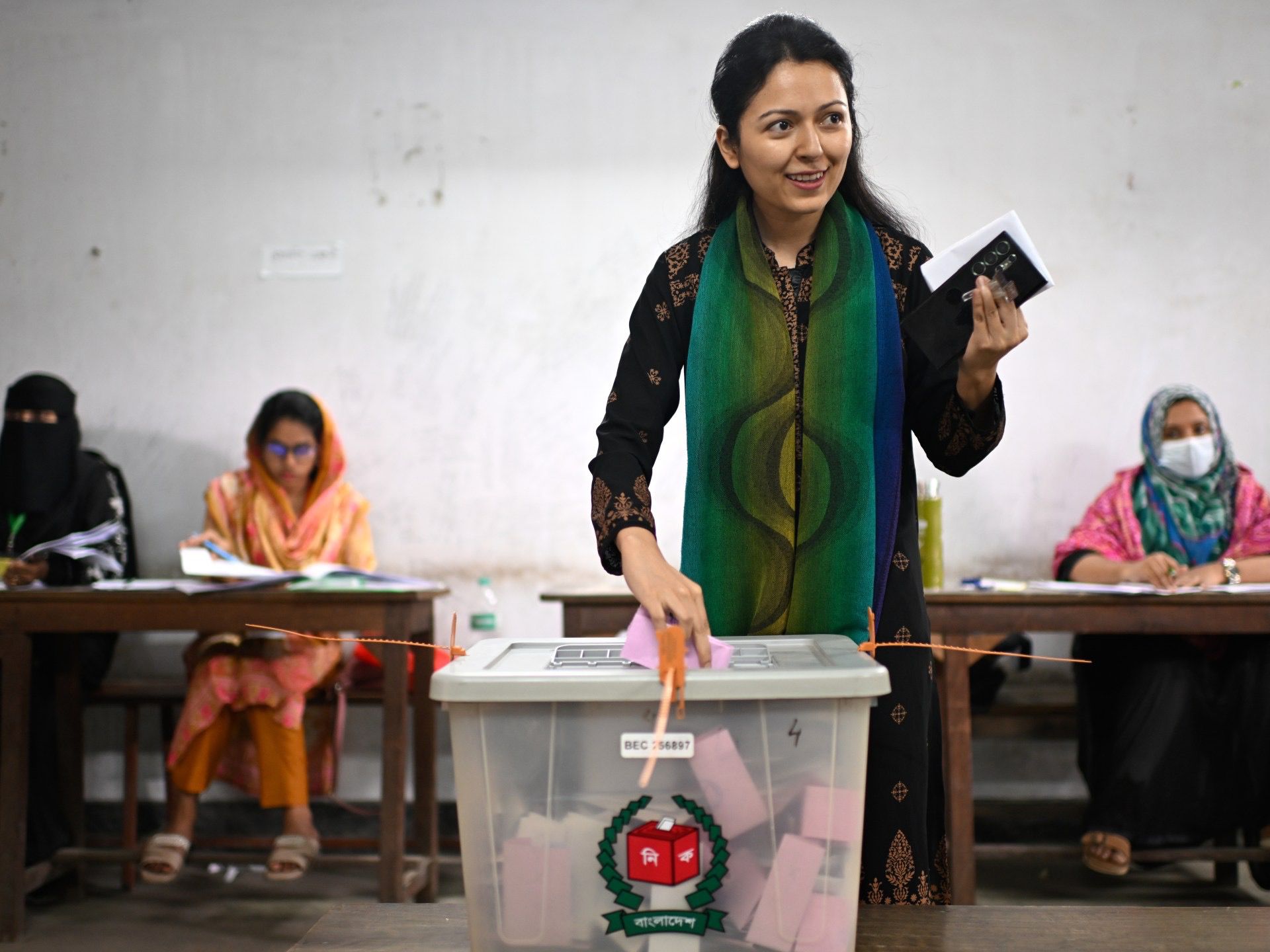
According to the Election Commission, turnout in the 12 February election and referendum was announced as 59.44%. With 127,711,793 registered voters, approximately 75.9 million cast ballots. Of the 59 registered parties, 50 participated along with independents; a total of 2,028 candidates competed for 299 parliamentary seats.
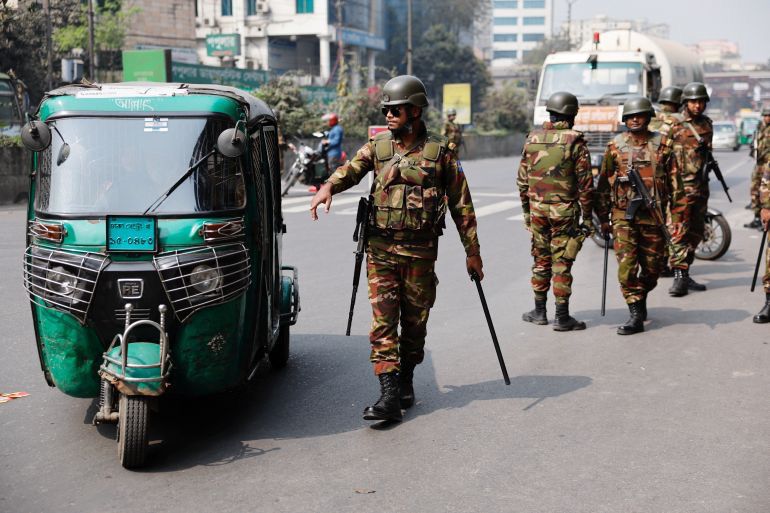
The interim administration took extensive measures to ensure election security and public order. Restrictions on mobile banking transactions before the vote, the surrender of licensed firearms, and a ban on motorcycles entering traffic were among the most notable steps. On election day, more than 100,000 soldiers and around 200,000 police officers were deployed; transparency was increased by using camera monitoring at a large share of polling stations.
In the referendum held simultaneously with the election, a package of reforms was put to a vote, including a bicameral legislature, increasing women’s representation, strengthening judicial independence, and limiting the prime minister to two terms. The package was adopted with 68.6% “Yes.”
POLITICAL COMPETITION AND THE DYNAMICS OF THE ELECTION
Bangladesh’s February 2026 elections took place in a climate where “normal politics” and the post-revolution agenda of accountability / transitional justice advanced simultaneously. For this reason, the campaign was shaped not only around economic promises or social policies, but also around rebuilding state capacity after 2024, the credibility of institutions, and the legitimacy of the political order.
The most contested issue of the elections was the exclusion of the Awami League (AL) from the electoral process. Historically playing a decisive role in Bangladesh’s separation from Pakistan and attainment of independence and defining itself as secular and social democratic, the Awami League in recent years lost a significant portion of its social legitimacy due to growing criticism of authoritarianism and its governing practice. This trajectory culminated when the pro-democracy mass movement of July 2024 became a “political rupture,” and the Awami League was removed from power. The interim administration announced that the party had been banned in May 2025 in a manner covering all its activities, stating that the decision was taken within the framework of national security assessments and investigations linked to the violent incidents during the 2024 period. This increased criticism regarding the equality of electoral competition and the representative quality of the contest; for some, it made the election resemble a race with “incomplete competition.” On the other hand, the interim administration defended the step as necessary to “protect the post-revolution order” and to “remove from politics structures implicated in violence.”
With the Awami League absent, political competition largely intensified among the BNP, Jamaat-e-Islami, and new/alliance actors such as the National Citizens Party (NCP), whose visibility increased after the revolution. A common theme in campaign rhetoric was the “Spirit of July”: reform, anti-corruption, transparency in public administration, and holding the previous period to account found resonance—at different tones—across nearly all actors. In this sense, the election turned into a contest to “set the institutional course of the new period.”
Another key factor that hardened political competition was the growing intersection of “prosecution and politics” in the post-revolution period. The strong public resonance of investigations and judicial proceedings concerning figures from the previous administration moved the campaign beyond classic party rivalry and intertwined it with debates on “transitional justice.” This also split the arguments of those assessing the election’s legitimacy: on one side stood the emphasis on “dismantling the old order,” and on the other, concerns about “representation and pluralism.”
RESULTS: A CHANGE OF POWER AFTER 20 YEARS
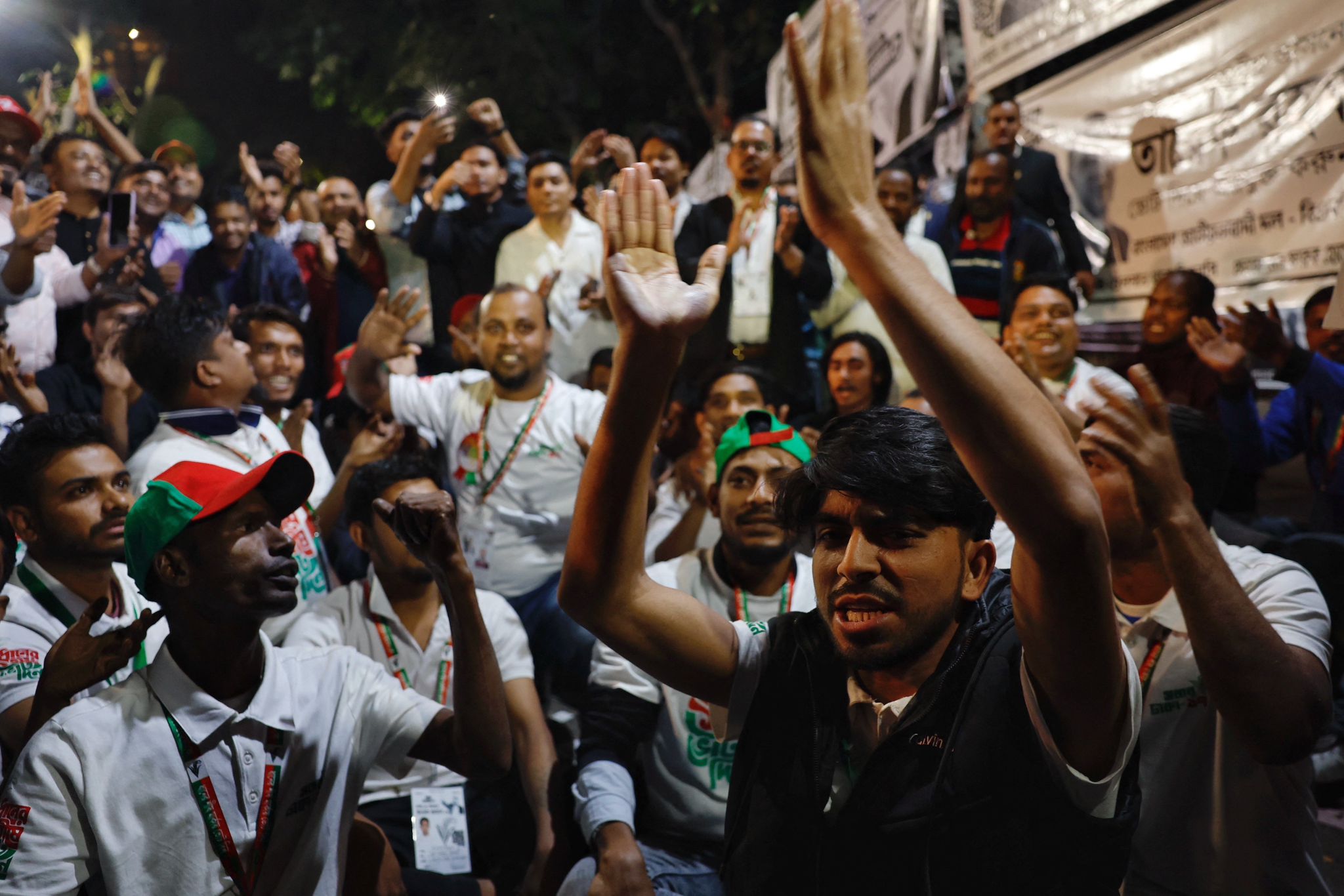
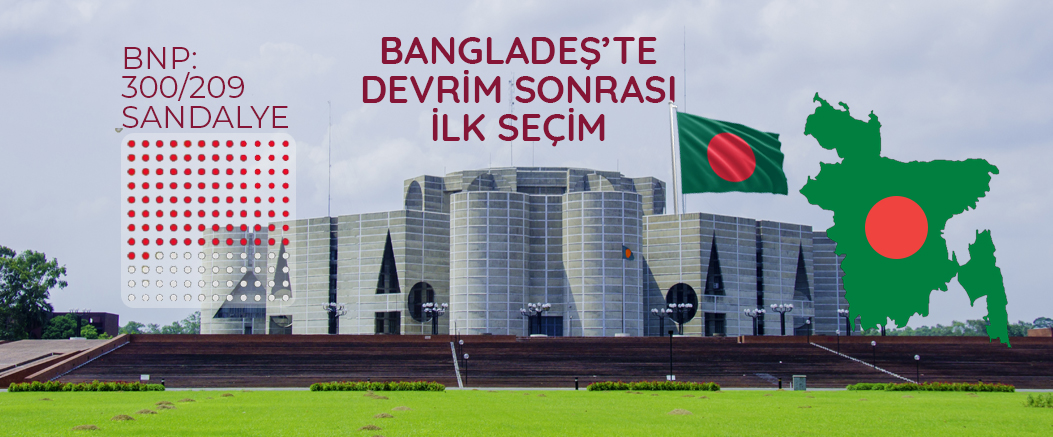
According to official statements, the Bangladesh Nationalist Party (BNP) won 209 of the 300 seats, securing the right to form a government on its own. Jamaat-e-Islami won 68 seats, while the NCP won 6. This outcome was recorded as a turning point in which a long-standing pattern of governance in the country changed through the ballot box.
The political meaning of the results stood out on two levels. First, with the parliamentary majority changing hands, executive power shifted to a new political center. Second, because the referendum was held on the same day, the debate was not limited to the question of “who will govern,” but also brought to the forefront the question of “what kind of institutional architecture” should be built. For this reason, the 2026 election was seen not only as a change of power, but also as a test ground for the new period through the implementability of reforms.
DEBATES ON TRANSPARENCY AND LEGITIMACY
Extraordinary-scale measures were implemented to ensure election security. Steps such as restrictions on mobile banking transactions in the pre-election period, regulations requiring the surrender of licensed firearms, and limitations on motorcycle use showed that the elections were conducted in a high-security environment. On election day, a large number of security personnel were deployed; practices aimed at increasing transparency—such as camera monitoring at a significant portion of polling stations—were used.
Nevertheless, criticisms emerged in some areas regarding the speed at which results and records were announced. In addition, allegations of interference with poll workers, as well as localized incidents of violence and harassment and debates over vote cancellations, featured in political rhetoric after election day.
Some actors stated that they would pursue recount and objection procedures for certain regions. While this picture was read, on the one hand, as a justification that legitimized a “high security and control” approach, on the other hand it pointed to the need to strengthen institutions’ long-term capacity in terms of “freedom of competition” and “societal acceptance of confidence in the ballot.”
OVERALL ASSESSMENT
The February 2026 election marked a critical threshold in completing the post-revolution transition period through the ballot box. The referendum held on the same day showed that the reform agenda was not merely campaign rhetoric, but was carried to the level of institutional design. In this framework, three determining issues came to the fore for the period ahead: (i) the implementation timetable of the reform package and its capacity to produce tangible results, (ii) the normalization of the competitive environment and the management of representation debates, and (iii) making election security sustainable through institutional capacity and standard procedures rather than extraordinary measures.
Steps taken on these issues will determine the potential to transform the 2026 election from a “one-off transition election” into a lasting institutional framework for the new period.
Sources:
- Özdoğan, A. (2026). Bangladesh February 2026 Elections: Analytical Report. Enhar – Enderun Law Movement (ENHAR). Publication date: 17 February 2026.
- https://www.reuters.com/world/asia-pacific/main-issues-bangladeshs-february-12-election-2026-02-10/?utm
- https://www.ohchr.org/sites/default/files/documents/countries/bangladesh/ohchr-fftb-hr-violations-bd.pdf?utm
- https://data.ipu.org/parliament/BD/BD-LC01/?utm
- https://www.idea.int/news/overcoming-bangladeshs-electoral-integrity-deficit-time-political-compromise-and-dialogue?utm
POLITICAL STRUCTURE IN BANGLADESH
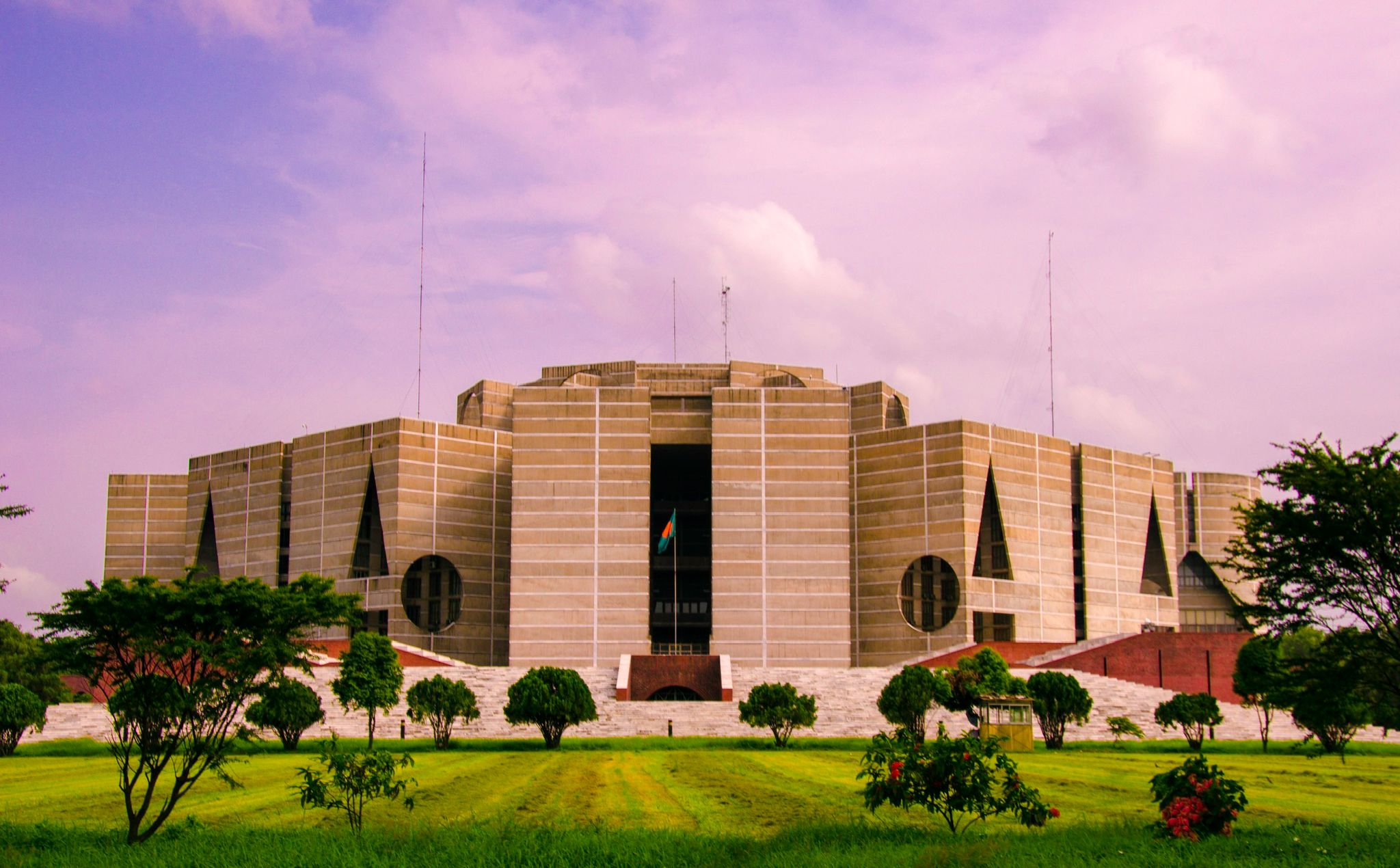
Bangladesh has a political system that is predominantly parliamentary. The political center of gravity of the executive branch is the Prime Minister’s Office; on the constitutional/representative plane, it is the Presidency.
- Head of State (President): The President is not elected by popular vote; instead, they are elected indirectly through the National Parliament (Jatiyo Shangsad). The term of office is 5 years and may be extended once.
- Government and Executive (Prime Minister): The Prime Minister is generally the leader of the political movement that wins a majority in parliament and is appointed by the President. The Prime Minister is the principal executive actor in the country’s day-to-day administration and in policy-making processes.
- Legislature (Jatiyo Shangsad – National Parliament): The legislative body is called the Jatiyo Shangsad and consists of 350 seats in total:
- 300 seats: Determined by direct election from constituencies.
- 50 seats (women’s quota): Elected indirectly through parliamentarians and serves as a mechanism to strengthen representation reserved for women.
- Term of office: The term of office for members of parliament is 5 years.
Note: In this framework, because election results directly determine the composition of the legislature, the formation of the government and the direction of the executive are shaped largely by the parliamentary majority.
Prepared by: Ahmet Deveci